“And I’ll bring you hope
— Hymn #346 Come Sing a Song With Me
when hope is hard to find,
and I’ll bring a song of love
and a rose in the wintertime.”
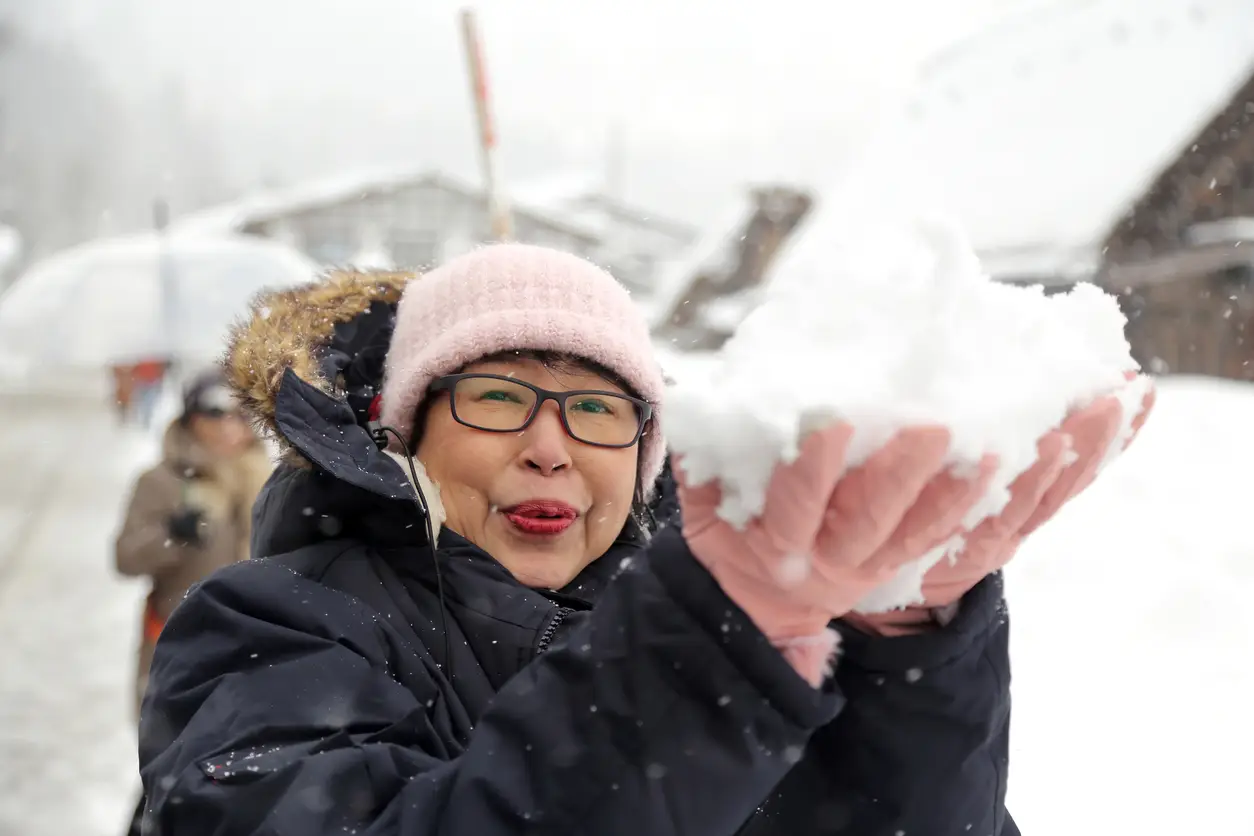
Finding hope in our world today isn’t easy. There is so much to be worried about and for many of us our very existence is being threatened by government policies. And so the act of living hopefully, even joyfully, becomes an act of resistance against oppression and tyranny. The tricky part is, figuring out where to find hope, when hope is hard to find.
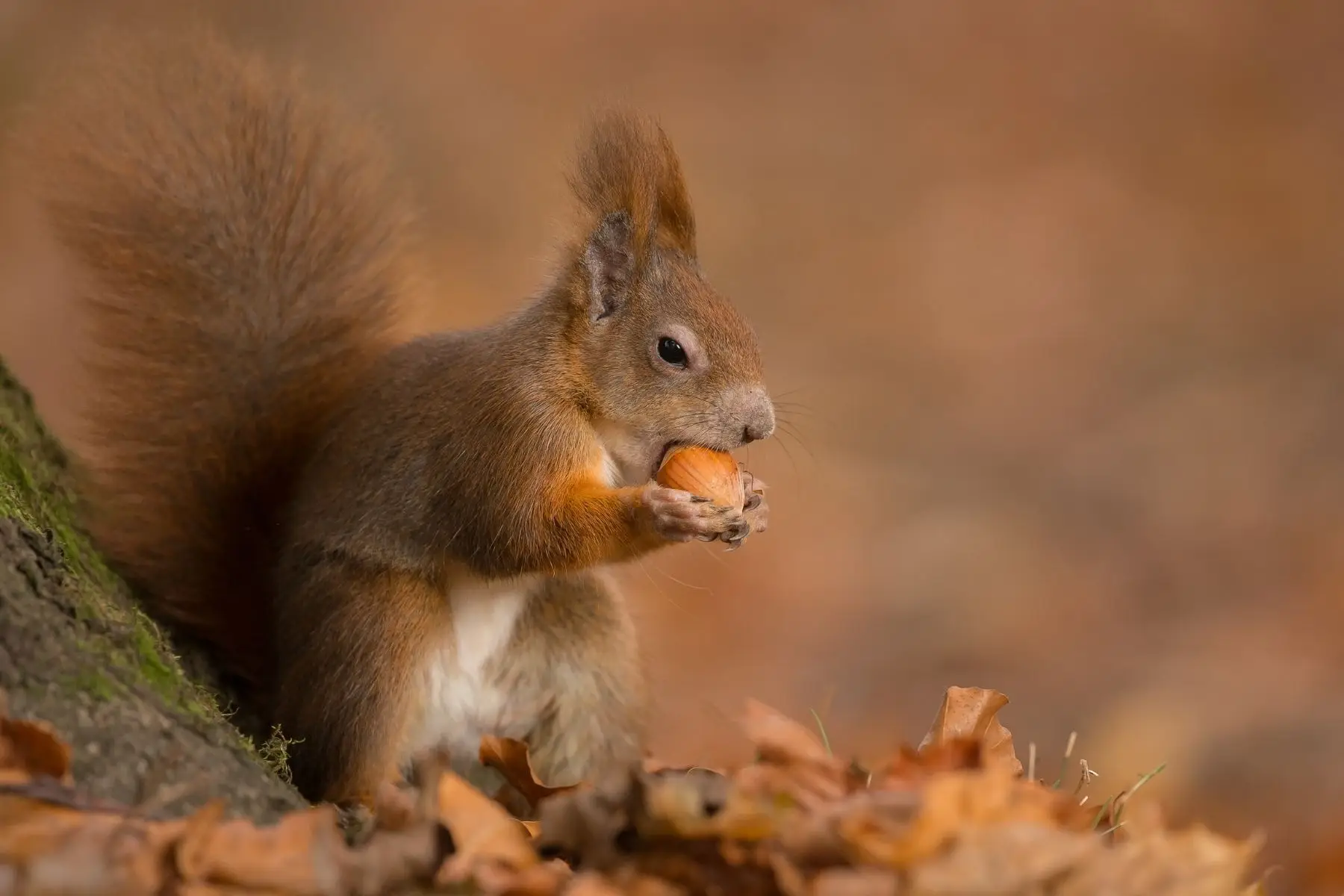
For me, when hope is hard to find, I look to the natural world. For example, as I was talking with a colleague about how to feed the people in our community facing hunger because of the government’s policies, I noticed a squirrel. We’re going to say this squirrel was a female. She was getting ready to settle down for her long winter’s nap. I noticed how she unself-consciously dug her little holes where she had stored her nuts and ate them, going from one hole to another methodically, unhurried. She knew there was enough. She didn’t hoard, she just set aside what she needed, having faith it would be there when she returned. It was her unbothered sense of enoughness that struck me. If we all just took what we needed and not more, there would be enough. That little squirrel in the parking lot of Cedar Lane brought me back to hope.
Adrienne maree brown calls this looking toward nature, “emergent strategy”. She says, “Emergence notices the way small actions and connections create complex systems, patterns that become ecosystems and societies.” And she goes on to say, “Emergence emphasizes critical connections over critical mass.” I love this concept of emergent strategy, because the problems of the world combined with the problems of being human and living life can feel huge – insurmountable. Emergent strategy invites us back to the small, the tangible, the do-able, knowing that it is in the small acts we can create fractal changes.
Hope is hard to find sometimes, AND nature can guide us back to hope when we feel unmoored. When you finish reading this, Open your shades, look out the window, or as my Gen Z kids would say, “touch grass”. If you’re not near grass, look at the sky, or rocks, or gravel – all part of nature. Notice if you feel a brain shift, a body shift, or even a heart shift after you reconnect with the natural world.
Reflection Questions from Soul Matters Small Group Materials
- Who is hope for you? Whose way of being in the world helps you believe that tomorrow will be better? What small strategy might you employ to keep their hope front and center for you?
- What might it mean for you to “be hope”? It’s one thing to believe in hope; it’s quite another to become it.
- Was your childhood home full of optimism or pessimism? How has wrestling with that legacy shaped who you are today?