Founded in 2001, the Kiplinger Lecture on Ethics in American Society was created to foster sustained public conversation about ethics, moral responsibility, and the role of values in American life. Rooted in the Unitarian Universalist commitment to a free and responsible search for truth and meaning, the lecture affirms ethics not only as an intellectual discipline to be studied, but as a set of lived practices essential to personal integrity, healthy communities, and democratic life.
Rev. Abhi Janamanchi (r) in conversation with 2026 Kiplinger Lecturer Sec. Sylvia Mathews Burwell (l).
About
Each year, the Kiplinger Lecture calls attention to the serious moral questions of our time – questions of power and accountability, justice and belonging, freedom and responsibility. It invites members of Cedar Lane and the wider community to engage these issues honestly and thoughtfully.
The Kiplinger Lecture is made possible through a generous endowment from the Kiplinger Foundation, established in memory of Willard M. Kiplinger. A journalist, editor, and author, Willard Kiplinger was widely known for his clear-eyed writing about the impact of national government on the economy. He founded the Kiplinger publishing company, including The Kiplinger Letter and Kiplinger’s magazine, helping generations of readers better understand the forces shaping public life.
A lifelong Unitarian, Willard Kiplinger was a founding member and devoted supporter of Cedar Lane Unitarian Universalist Congregation. His commitments extended beyond journalism to philanthropy and public education, including early support for educational television and WETA. His son, Austin Kiplinger, continued this legacy of civic responsibility and generosity by creating the endowment that sustains this annual lecture series on ethics.
Open to people of all beliefs and backgrounds, the Kiplinger Lecture reflects Cedar Lane’s enduring commitment to ethical reflection, democratic values, and the shared work of building a more just and compassionate society.
Willard M. Kiplinger
Past Lectures
2026 – Values, Morals, and Ethics: The need for all three in Governing and Public Service with Sylvia Mathews Burwell
2025 – Wonders and Worries in Genetic Engineering with Jeffrey Kahn, PhD, MNPH
2024 – A Promise Unfulfilled: The Future of the Right to Vote with Dean Franita Tolson and former Senator Russ Feingold
2022 – Holding Fast to Dreams: From Civil Rights to Student Access – Dr. Freeman Hrabowski
Fall 2021 – An Ethical Reading of the Declaration, Constitution, and the Future of American Democracy – Rep Jamie Raskin
Spring 2021 – The Ethic of Revolutionary Love – Valarie Kaur
2020 – The Moral Imperative of Educational Equity – Dr. John B. King, Jr.
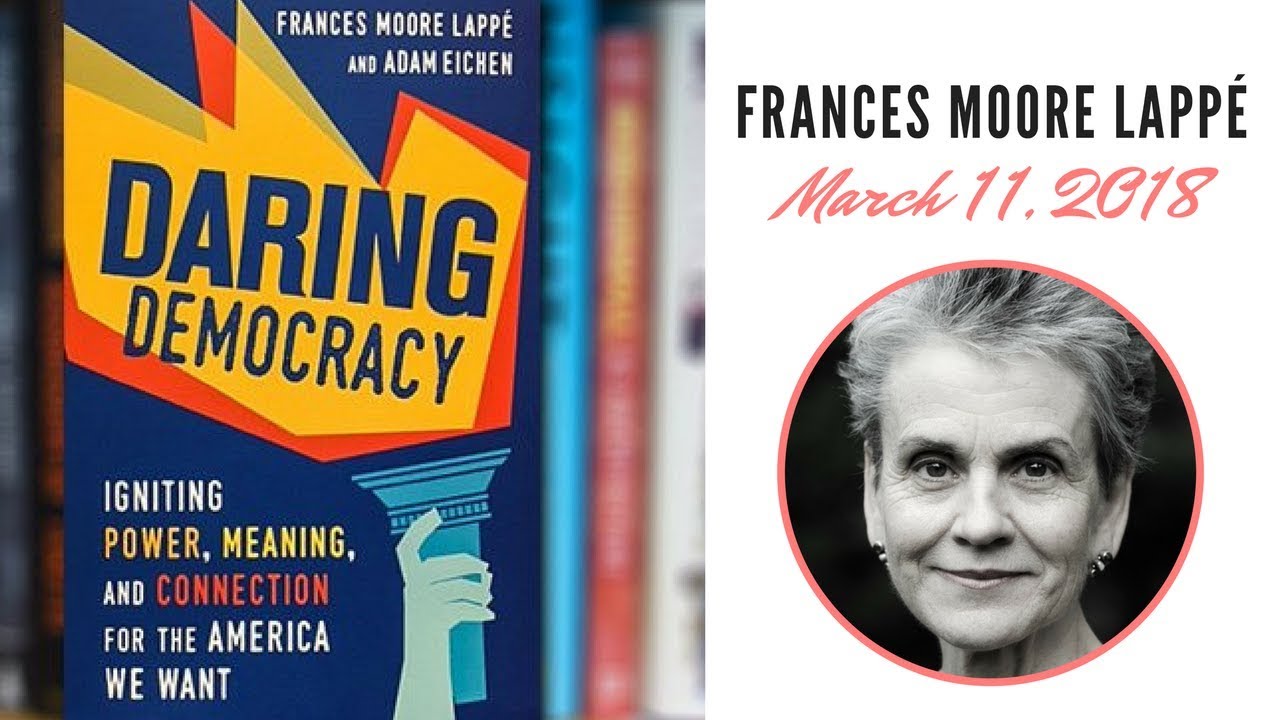
2018 – Daring Democracy – Frances Moore Lappe
2017 – A Nation of Immigrants, A Nation of Deportation – Dr. Aviva Chomsky
2016 – Did we skip this year?
2015 – The Ethics of the “Right to Try”: Who Gets Experimental Medicines? – Arthur Caplan
2014 – Interfaith Relations: A Path to Peace – Rev. Dr. Joan Brown Campbell
2013 – Ethics in Journalism – Edward Schumacher-Matos
2012 – Civil Conversations: Bridging the Divide Over Life and Choice – Frances Kissling
2011 – The Social Justice of Food – Mark Winne
2010 – The Gospel of Inclusion: Moral Implications – Rev. Carlton Pearson
2009 – When, If Ever, Is The Use of Military Force Ever Morally Justifiable? – Dr. Paul Rasor
2008 – How Ethical Business Practices Can Contribute to World Peace – Dr. Timothy L. Fort
2007 – Moral Challenges in Global Health – Dr. Ruth Faden
2006 – Religion, Politics, and the Liberal Tradition – EJ Dionne
2005 – Was Robin Hood Right? Ethics & Economic Justice in America Today – Rev. Dr. Richard Gilbert
2004 – The Future of Punishment in the Criminal Justice System: Voices from Philosophy, Religion, and Hip-Hop – Dr. Paul Butler
2003 – Tainted Legacy: 9/11 and the Ruin of Human Rights – Rev. Dr. William Schulz
2002 – Oral Certainty: Clarity Humility and Conviction in Public Ethical Discourse – Sondra Ely Wheeler
2001 – Beyond Relativism: Are there Ethical Imperatives? – Amitai Etzioni
Watch Recent Lectures
2026 Kiplinger Lecturer - Sylvia Mathews Burwell
March 8, 2026 - Values, Morals and Ethics: The need for all three in Governing and Public Service with Sylvia Mathews Burwell
We are living in ...a moment when values, morals, and ethics in governing seem to be fading as the foundation of governing and at the same time power seems to be ascending as a touchstone. The annual Kiplinger Lecture and its historical basis in the importance of ethics in American society could not be more timely. Sylvia Mathews Burwell speaks to what it means to govern with a moral compass: to place the common good above personal or political gain, to lead with care in deeply divided times, and the importance of the difference between power and authority. Join us for an engaging conversation about why ethics still belong at the heart of government, and what public service demands.
Sylvia Mathews Burwell is a distinguished public servant who was recently the 15th President of American University, from 2017 to 2024. Prior to that, she was the Secretary of the Department of Health and Human Services and earlier the Director of the Office of Management and Budget (OMB), under President Obama. Before OMB, she was President of the Walmart Foundation and also was President of the Global Development Program at the Bill and Melinda Gates Foundation. She also served as Deputy Director of OMB, Deputy Chief of Staff to the President, Chief of Staff to the Secretary of the Treasury, and Staff Director of the National Economic Council. She is currently President of the Board of Overseers of Harvard University, her alma mater. She was also a Rhodes Scholar at Oxford. She hails from Hinton, West Virginia and she and her husband Stephen live in Washington, DC with their two teenage children.Show More
Now Playing
2026 Kiplinger Lecturer - Sylvia Mathews Burwell
March 8, 2026 - Values, Morals and Ethics: The need for all three in Governing and Public Service with Sylvia Mathews Burwell
We are living in ...a moment when values, morals, and ethics in governing seem to be fading as the foundation of governing and at the same time power seems to be ascending as a touchstone. The annual Kiplinger Lecture and its historical basis in the importance of ethics in American society could not be more timely. Sylvia Mathews Burwell speaks to what it means to govern with a moral compass: to place the common good above personal or political gain, to lead with care in deeply divided times, and the importance of the difference between power and authority. Join us for an engaging conversation about why ethics still belong at the heart of government, and what public service demands.
Sylvia Mathews Burwell is a distinguished public servant who was recently the 15th President of American University, from 2017 to 2024. Prior to that, she was the Secretary of the Department of Health and Human Services and earlier the Director of the Office of Management and Budget (OMB), under President Obama. Before OMB, she was President of the Walmart Foundation and also was President of the Global Development Program at the Bill and Melinda Gates Foundation. She also served as Deputy Director of OMB, Deputy Chief of Staff to the President, Chief of Staff to the Secretary of the Treasury, and Staff Director of the National Economic Council. She is currently President of the Board of Overseers of Harvard University, her alma mater. She was also a Rhodes Scholar at Oxford. She hails from Hinton, West Virginia and she and her husband Stephen live in Washington, DC with their two teenage children.Show More
Now Playing
2025 Kiplinger Lecture: "Wonders and Worries in Genetic Engineering" with Jeffrey Kahn, PhD, MNPH
KIPLINGER LECTURE ON ETHICS IN AMERICAN SOCIETY PRESENTS:
"Wonders and Worries in Genetic Engineering"
Jeffrey Kahn, PhD, MNPH, Director of the Johns Hopkins Berman Institute of Bioethics
Dr. Kahn will discuss the ethics ...of choosing the traits of children, using the actual case of the first successful "savior sibling". He will explore the ethical issues raised by the case and its implications for using increasingly powerful human gene editing tools.
Saturday, February 22, 2025 at 3:00 p.m.
Free and open to the public. Refreshments will follow the discussion.
Cedar Lane UU Congregation
9601Cedar Lane, Bethesda, MD. 20614Show More
Now Playing
2024 Kiplinger Lecture: Professor Franita Tolson
"A Promise Unfulfilled: The Future of the Right to Vote" with Professor Franita Tolson and former U.S. Senator, Russ Feingold at Cedar Lane Unitarian Universalist Congregation on May 18th ...at 3 pm.Show More
Now Playing
2022 Kiplinger Lecture: Dr. Freeman Hrabowski
Join us in person or online to hear Dr. Freeman Hrabowski, President, University of Maryland, Baltimore County for his lecture, "Holding Fast to Dreams: Ethics and Courage from Civil Rights ...to Student Success".Show More
Now Playing
2021 (Fall) Kiplinger Lecture: Jamie Raskin
Representative Jamie Raskin (MD 8) will analyze the ethical concepts underlying the country's founding documents and describe the ethical dilemmas facing American democracy at the crossroads today.
Now Playing
2021 (Spring) Kiplinger Lecture: The Ethic of Revolutionary Love With Valarie Kaur
The 2021 Cedar Lane Kiplinger Lecture Presents: The Ethic of Revolutionary Love with Valarie Kaur
Recorded Live on March 3rd, 2021
Now Playing
2020 Kiplinger Lecture: Dr. John B. King, Jr. (Part 2)
The 2020 Cedar Lane Kiplinger Lecture Presents: The Moral Imperative For Educational Equity with Dr. John B. King, Jr., Former Secretary of Education in the Obama Administration
Recorded Live on August ...26th, 2020
2020 Kiplinger Lecture: Dr. John. B. King, Jr. (Part 1)
The 2020 Cedar Lane Kiplinger Lecture Presents: The Moral Imperative For Educational Equity with Dr. John B. King, Jr., Former Secretary of Education in the Obama Administration
Recorded Live on August ...26th, 2020
Frances Moore Lappé is an American researcher and writer in the area of food and democracy policy. She will discuss her most recent book she co-authored with Adam Eichen - ..."Daring Democracy."Show More
Now Playing
2017 Kiplinger Lecture: "A Nation of Immigrants, A Nation of Deportation"
Our speaker is Aviva Chomsky.
This year's lecture is titled: "A Nation of Immigrants, A Nation of Deportation: Race, Citizenship & Belonging in the United States"
Sliding Scale Options
suggested love offering of $30 / seat
Sliding Scale Guide
We know it can be complicated to decide how much to pay, and there’s no one right answer for anyone. Many thanks to UU@UN for providing an equitable model for payments.
Consider paying at a lower tier if many of these are true for you:
I have been denied work due to incarceration history.
I would need to budget in order to afford a $25 expense.
Consider paying at a higher tier if multiple of these are true for you:
I or my family owns the home I live in.
I have investments, retirement accounts, or inherited money.
I can travel recreationally.
I have access to family money and resources in times of need.
I work part time by choice.
I have a relatively high degree of earning power due to level of education, gender and racial privilege, class background, etc.
In terms of its impact on my lifestyle (e.g. my ability to pay this month’s bills), $50 means functionally about the same as $15. My bank account would look pretty much the same either way.
A reflection from Pronoia Coaching:
When I pay more, I know that I am helping others to access the event.
When I pay in the middle, I know I am helping the organizers cover costs.
And when I pay less, I know I am letting my community hold me and support me.
All of these are wonderful and acceptable ways of participating.