Social Justice
Putting our values into action through advocacy, service, and community partnerships for justice, equity, and dignity
Move Into Justice Work That Matters
Social justice as a spiritual practice tests our ethical professions, challenges our complacency, and summons our courage. But it is not a recipe for sainthood, merely a prescription for sane, peaceful, and decent living.
Contact: Social Justice Coordinator, socialjustice@cedarlane.org
Get timely social justice news when you subscribe to Cedar Lane's Social Justice Bulletin. After subscribing, you will be able to use the collective email address to send your own social justice news and receive the news and alerts sent by others.
Subscribe to the Social Justice Bulletin
Elements of Social Justice as a Spiritual PracticE
At Cedar Lane, we don't think of spirituality and justice as two separate things: one for praying, one for acting. We believe they're really the same thing. If your faith doesn't push you to care about justice, something's missing from it.
For us, working for justice is a spiritual practice. Not something extra we add on top.
We like to tell it this way. Imagine a village by a river. One day, someone spots a baby floating downstream and jumps in to save her. The next day, there are two babies. Then more. Soon the whole village has organized itself around pulling babies out of the river: training swimmers, taking shifts, working around the clock. That work matters. It's real, it's necessary, and it's sacred. But finally, someone asks: has anyone gone upstream to see who's putting the babies in the river in the first place?
That's what justice means to us. It's not just about helping people who are struggling. It's about asking why they're struggling, and doing something about the real cause, not just the symptom. That's harder. It means looking at the systems around us, and honestly, looking at ourselves too: the ways we've benefited from things we didn't choose but still inherited. Real justice work changes the people who do it.
We try to live this out through five simple commitments:
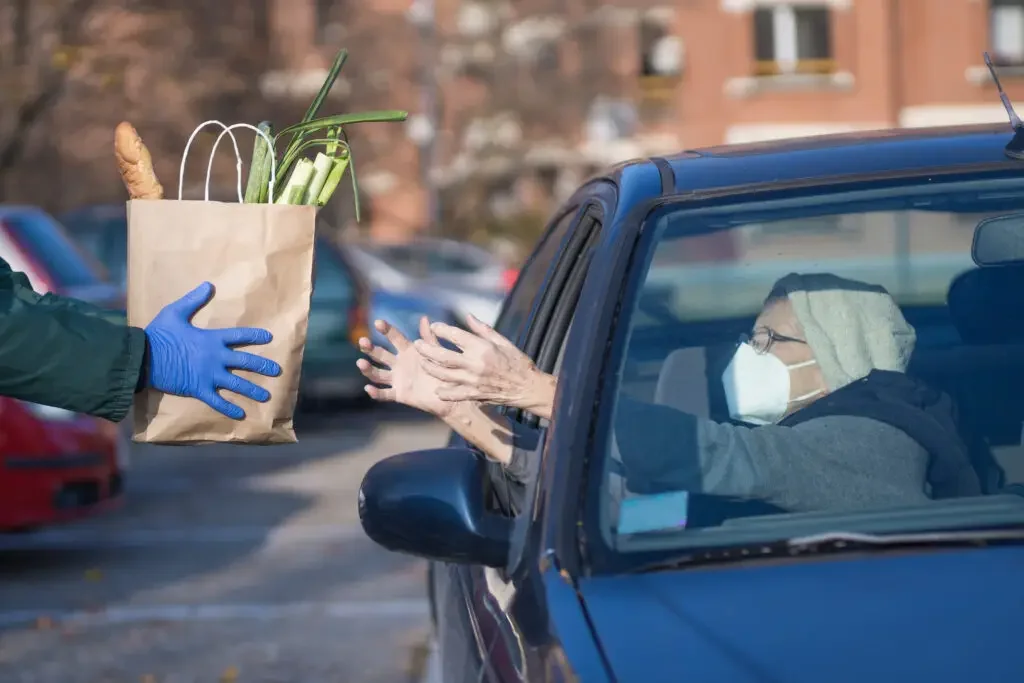
We serve rather than save. We show up alongside people: we don't swoop in to rescue them. That's the difference between treating someone as an equal and quietly treating them as less than you.
We act without ulterior motives. We don't help people so we can feel good about ourselves. Doing what's right is the whole point: not a stepping stone to something else.
We hold idealism and realism together. We believe things can get better, and we work like it's true: but we're honest that change is slow, messy, and never guaranteed.
We resist the temptation of going it alone. This work isn't about individual heroes. We need each other. Together, we can see more, and we can keep going longer than any one person could alone.
We root everything in the belief that every single person has worth and dignity. Everyone.
We also acknowledge that we don't have this all figured out. Social justice is a journey we stay on. Part of that means working to stay informed about what's happening around us and why. But we're not claiming to know the way. We're committing to stay in relationship with the world and to live as a community with our beloved members, neighbors, and partners, who teach us things no amount of reading ever could.
“Don't call me a saint, I don't want to be dismissed that easily. The kind of work I do can be done by anyone.”
— Dorothy Parker, lifelong champion of civil rights
So here’s the invitation at Cedar Lane:
Show up.
Keep showing up.
Be willing to be changed by the people you meet along the way.
That's how we build something better than what we were given.